


Introduction
If you wanted to build a cricket franchise that perfectly captures the chaos and beauty of the sport, you might accidentally build Royal Challengers Bengaluru. In 2013, they scored 263 for 5 in 20 overs — the highest team total in IPL history at the time, built around Chris Gayle’s 175 off 66 balls. In 2017, four years later, the same franchise, many of the same players, on the same home ground, were bowled out for 49. Forty-nine runs. The lowest team total in IPL history. One franchise. Both extremes. And absolutely everything in between.
The 263 — The Night Everything Went Right
April 23, 2013. Chinnaswamy Stadium, Bengaluru. RCB versus Punjab Kings. Chris Gayle walked to the crease and proceeded to bat in a way that made the 40,000 people present laugh, gasp, and then simply run out of appropriate reactions. He hit 17 sixes. He scored 100 in 47 balls. He scored 75 more in the next 19 balls. He made 175 not out off 66 deliveries. RCB finished on 263 for 5. Tillakaratne Dilshan made 33. Every other RCB batsman contributed between 0 and 13. Gayle scored more than two-thirds of the team’s entire total. PBKS were bowled out chasing it. The victory margin was 130 runs. The 263 was not just a record — it was a demonstration that one extraordinary batter in the right conditions can produce numbers that the scoreboard barely has room to display.
The 49 — The Night Everything Went Wrong
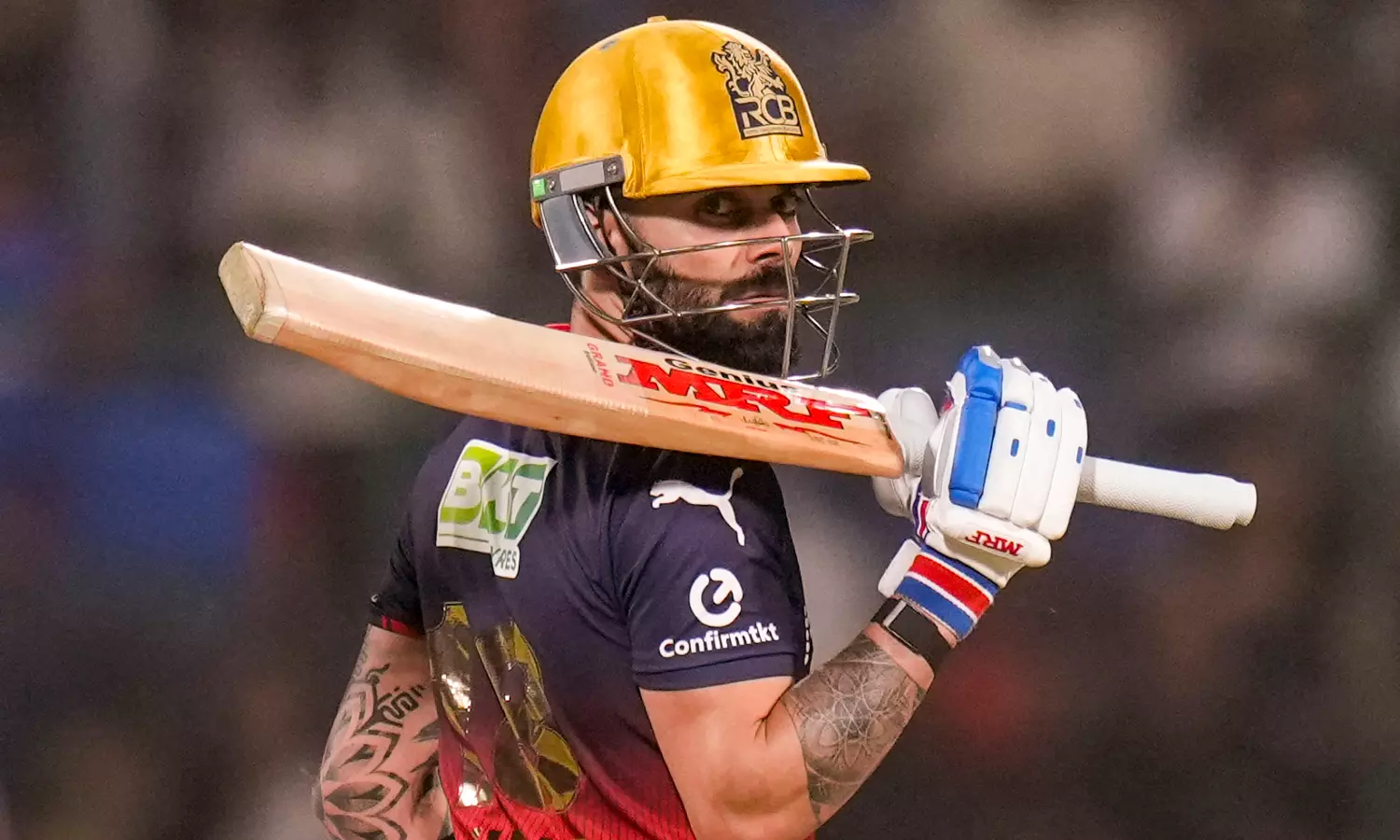
May 5, 2017. Same ground. Same team colours. Kohli at the crease — the man who had scored 973 runs just the previous season. ABD in the lineup — the most creative batter in cricket. Chris Gayle available. And yet. Nathan Coulter-Nile — not a household name, not one of the game’s great bowlers, a reliable Australian seamer — ran through the top order with figures of 4 for 7 from 3 overs. Four wickets. Seven runs. Kohli went for 5. ABD for 1. Watson for 8. Gayle for 4. RCB were bowled out for 49 in 9.4 overs. KKR chased it down in 6.3 overs. The match was over in 90 minutes. The extras column — 7 runs from wides and no-balls — outscored six of RCB’s eleven batsmen. The scorecard is framed somewhere in cricket’s museum of the surreal.
What The 263 And The 49 Tell You About RCB
The gap between 263 and 49 is not an accident of cricket’s randomness. It is the precise expression of what RCB were for 17 years: a team so dependent on batting brilliance that when the batting worked, they were virtually unstoppable. And when the batting failed — as batting does, inevitably, in cricket — there was nothing beneath it to catch the fall. The bowling was never strong enough to win close matches. The squad depth was never deep enough to survive individual failures. In 2025, when they finally won the IPL title, they did it by addressing exactly this: Josh Hazlewood took 22 wickets and gave them the bowling spine they had always lacked. The 263 was beautiful. The 49 was inevitable. The 2025 title was the result of learning from both.
DID YOU KNOW? When SRH scored 287 against RCB in 2024, they broke RCB’s own record of 263 as the highest team total in IPL history. Remarkably, RCB are the only team to have conceded both the current highest IPL team total (SRH’s 287) AND previously held the record themselves. No other franchise has been on the wrong end of both historical batting records.
Final Verdict 263 and 49. The story of a franchise that could do everything except be consistent. The 2025 title was the end of that particular narrative — but the scoreboard history that preceded it is the most vivid portrait of T20 cricket’s wild extremes that any single team has ever produced.