

Introduction
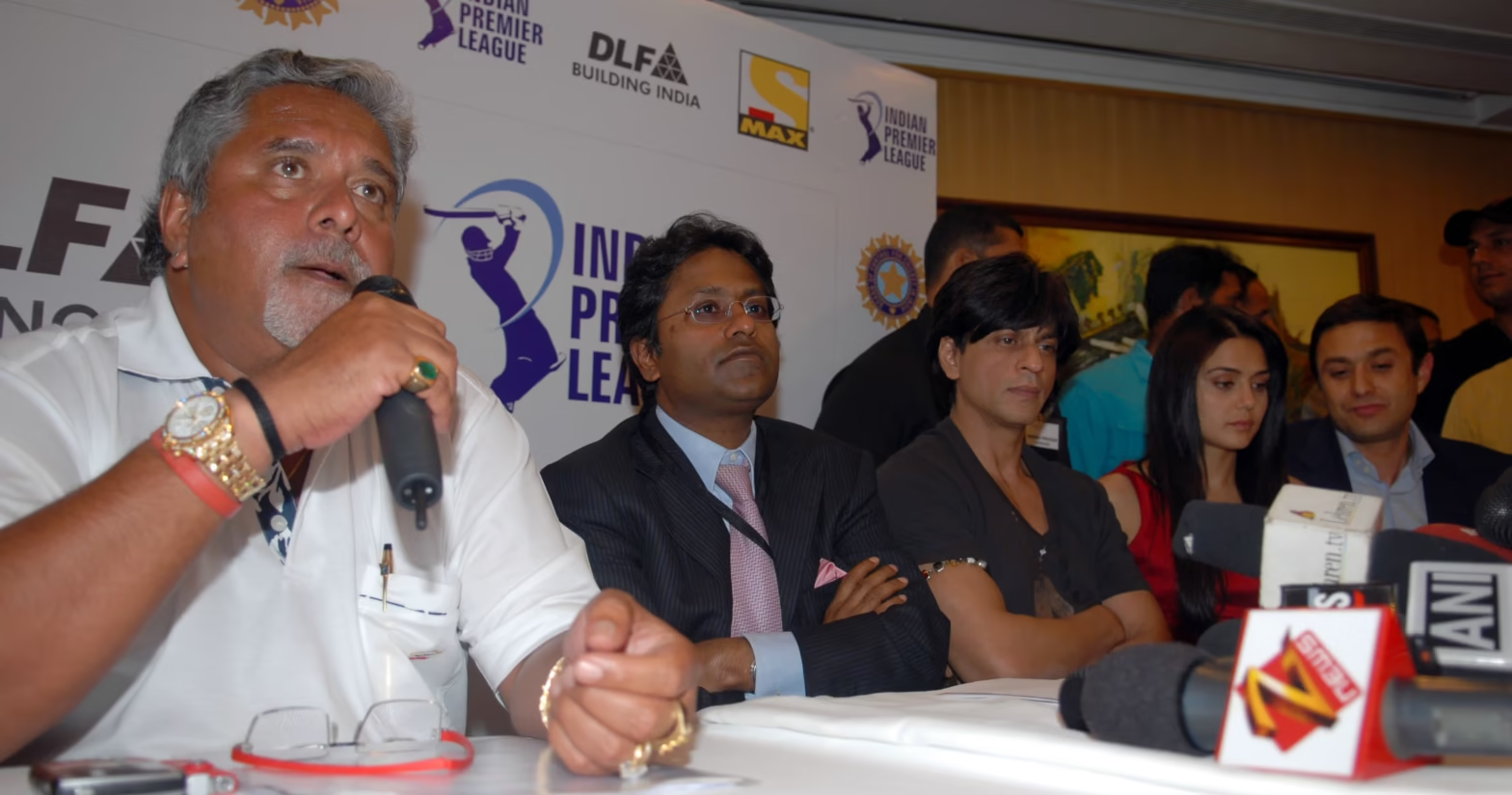
On January 24, 2008, at the Hilton Hotel in Mumbai, eight franchise rights for the Indian Premier League were auctioned to private owners. The BCCI had expected to raise approximately Rs. 400 crore. It raised nearly Rs. 5,000 crore — more than 12 times the base expectation. The moment the final bid was accepted for Mumbai Indians (Rs. 742 crore to Mukesh Ambani’s Reliance Industries), the economics of Indian cricket changed permanently. Not incrementally, not significantly — permanently. In the three hours of that auction, cricket became a different sport.
The Eight Franchises and What They Cost
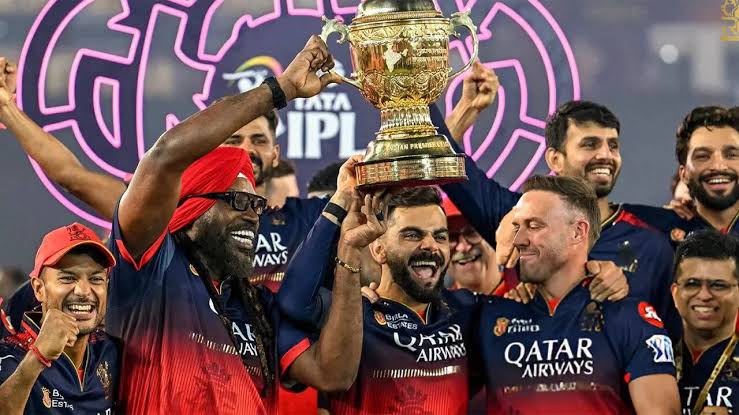
The franchise bids in January 2008 startled even the BCCI officials who had designed the auction process. Mumbai Indians sold to Reliance Industries for Rs. 742 crore. Kolkata Knight Riders sold to Red Chillies Entertainment (Shah Rukh Khan’s company) for Rs. 534 crore. Royal Challengers Bengaluru sold to a UB Group consortium for Rs. 440 crore. Chennai Super Kings sold to India Cements for Rs. 324 crore. Rajasthan Royals, the eventual first champions, sold for just Rs. 67 crore — the lowest franchise price, which subsequently made them cricket’s greatest auction value by any financial measure when Warne’s squad won the title.
Why The Prices Were So High
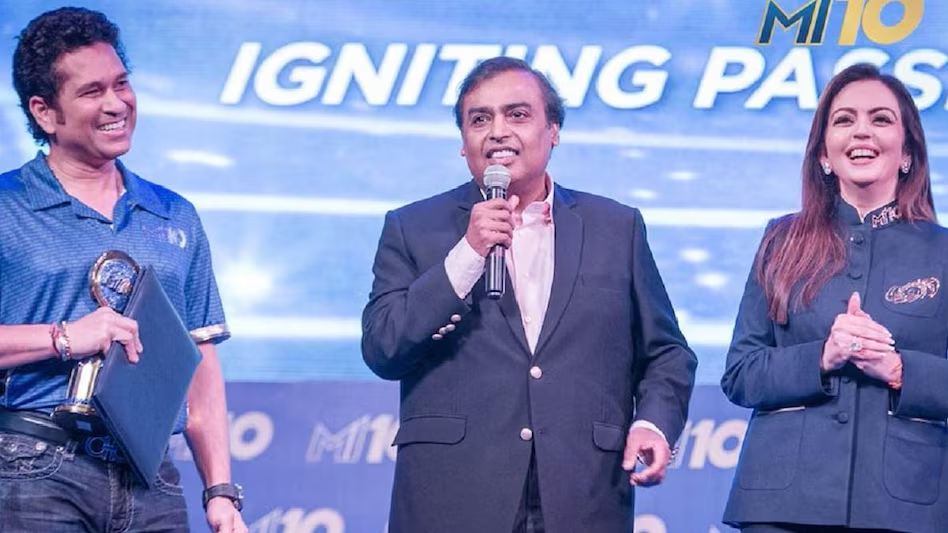
The bidding exceeded expectations because franchise investors were purchasing not just cricket rights but something larger: India’s fastest-growing entertainment property in the world’s fastest-growing major economy. Mukesh Ambani, the richest person in India, paid Rs. 742 crore for Mumbai Indians not because cricket in Mumbai was worth that on existing metrics but because his analysis of where the IPL was heading was radically optimistic. He was right. Mumbai Indians’ current valuation is estimated at multiple thousands of crore — the franchise investment has returned many multiples of the original bid. Every franchise buyer in 2008 who has held on has experienced similar financial returns.
What the Auction Did to Indian Cricket
The franchise auction permanently altered cricket’s power structure within India. Before 2008, the BCCI generated revenue from media rights and international tickets. The franchise fees gave it a capital base that allowed investment in infrastructure, grassroots programmes, and stadium development on a scale previously impossible. The private ownership of IPL franchises created competition for player talent at prices that domestic cricket could not match — raising minimum salaries, providing financial security for cricketers who previously earned modest sums, and creating commercial incentives for young Indians to pursue cricket professionally. The Rs. 5,000 crore raised in three hours in Mumbai did more for Indian cricket’s commercial development than the previous 50 years of BCCI administration.
DID YOU KNOW? Rajasthan Royals, sold for just Rs. 67 crore in 2008, won the inaugural IPL title. The franchise with the lowest purchase price was the first champion — a result that perfectly illustrated that cricket success and franchise investment are not perfectly correlated.
Final Verdict Rs. 5,000 crore in three hours. Eight franchises. One new cricket economy. The 2008 IPL franchise auction is the most consequential single event in cricket’s commercial history — the moment the sport became worth what its audience had always suggested it was.