

Introduction
To score a century in a T20 match is special. To score it in 40 balls — needing to hit a boundary or a six roughly every other delivery for an entire innings — is astonishing. To score it in 30 balls, as Chris Gayle did in 2013, is something that cricket had to sit with for a moment before it could fully process. For twelve years, nobody went faster. Then in the space of three weeks in IPL 2025, two different batters threatened the record — a 14-year-old from Bihar and a 22-year-old from Delhi — and the conversation about what is physically possible in 20 overs cricket changed completely.
Gayle’s 30 Balls — The Record That Stood Alone For 12 Years
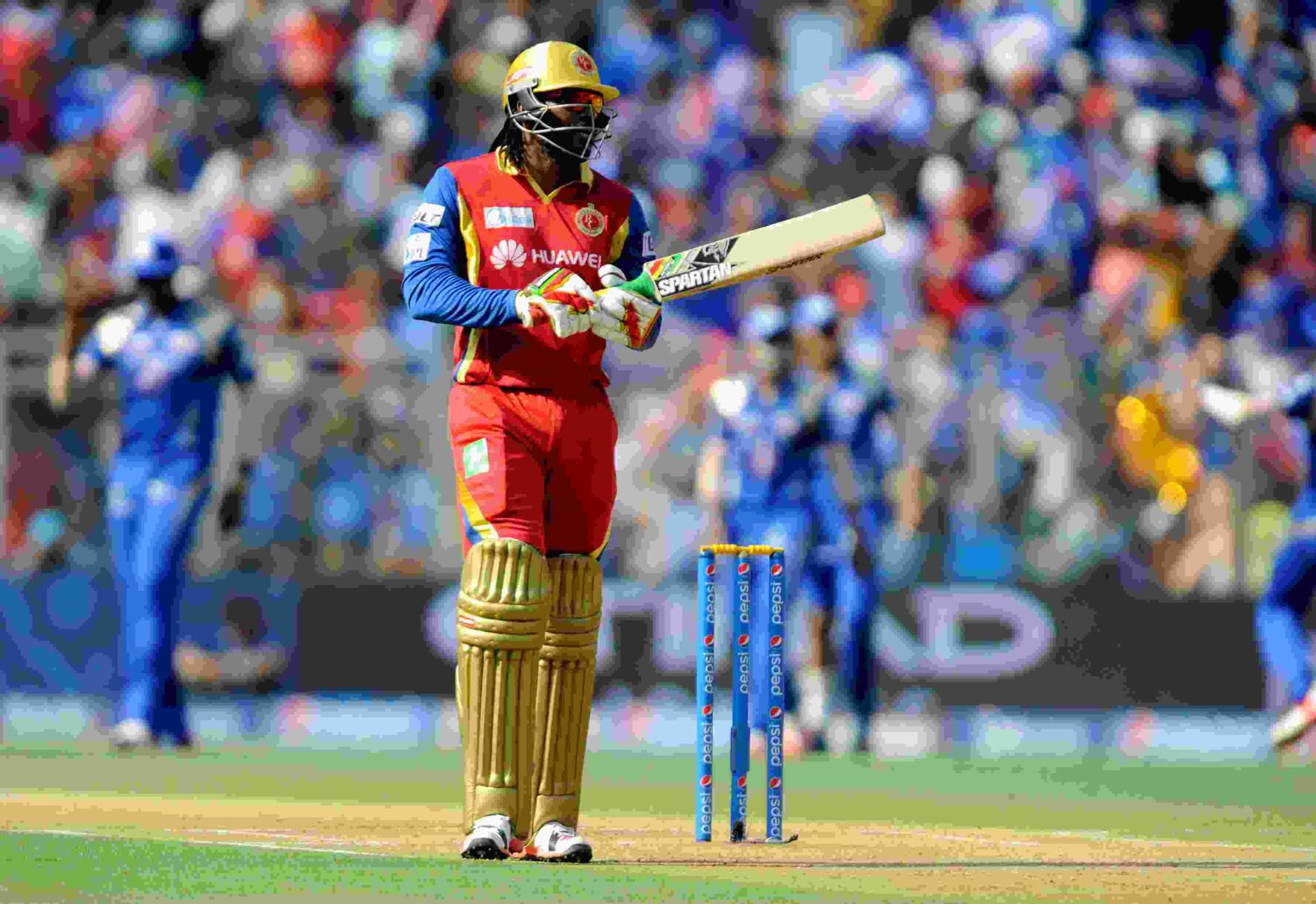
April 23, 2013. Chris Gayle against Punjab Kings. He reached 50 off 17 balls. Most IPL batters are still getting their eye in at 17 balls. Gayle was halfway to a century. He reached 100 off 30 deliveries — at that point the fastest century in IPL history, and still the fastest today. The progression was almost inhuman: 17 balls for 50, then 13 more balls for another 50. The final 13 balls of the century included 7 sixes. He hit a six so high off one delivery that the cameras temporarily lost the ball and the crowd sat in confused silence until it landed in the second tier. Nobody had done it in 30 balls before. Nobody has done it in 30 balls since. Twelve years. The record waits.
Suryavanshi’s 35 Balls — A Child Threatens The Record
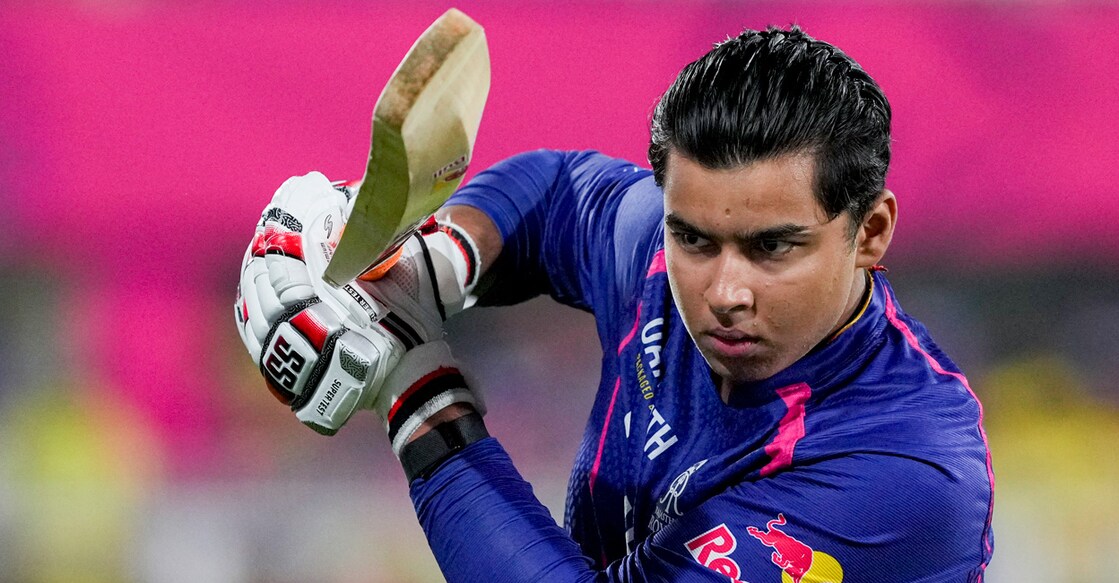
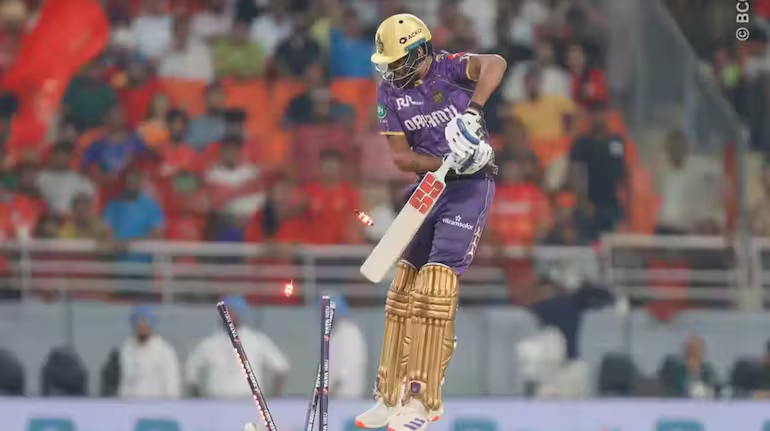
April 28, 2025. Vaibhav Suryavanshi. Against Gujarat Titans. He was 14 years old. He reached his century off 35 deliveries — the second fastest in IPL history. To be five balls slower than Gayle’s record while being 14 years of age is a sentence that requires re-reading. Five balls slower than the all-time record. Fourteen. Years. Old. His century was built on 11 sixes — he hit bowlers who have played international cricket for a combined total of 50 years like they were club standard. He scored 93% of his runs from boundaries. After his century, asked how close he felt to Gayle’s record, he shrugged and said he had not been thinking about records. He had been thinking about hitting the ball as hard as possible. This is what 14-year-old T20 batting prodigies sound like.
What The Fastest Centuries Have In Common — And Why The Record Will Fall
Looking at every IPL century scored in fewer than 45 balls, one pattern is consistent: the batter reached 50 in 25 balls or fewer. If you are going to score a century in 30 to 40 balls, you cannot afford to be cautious early. You have to attack from delivery one. Gayle attacked from delivery one. Suryavanshi attacked from delivery one. Priyansh Arya, who scored a 39-ball century against CSK in the same 2025 season, attacked from delivery one. The fastest centuries are not won in the second half of the innings — they are already won or lost by the 20th ball. As batting power continues to develop, as pitches stay flat, as the Impact Player rule allows teams to send in fresher batsmen in the death — the 30-ball record is the most vulnerable great record in the competition. Gayle’s mark will fall. The only question is when.
DID YOU KNOW? Three of IPL’s five fastest centuries were scored at M. Chinnaswamy Stadium, Bengaluru — RCB’s home ground. Cricket analysts attribute this partly to the ground’s high altitude (920 metres above sea level), the fast outfield, and the flat pitches that Chinnaswamy has historically produced.
Final Verdict 30 balls. Then 35. Then 39. The story of IPL’s fastest centuries is the story of the format’s batting evolution — getting quicker, more aggressive, more extraordinary with every season. Gayle’s 30-ball record has waited 12 years for a challenger. IPL 2026 may finally have one.