

Introduction
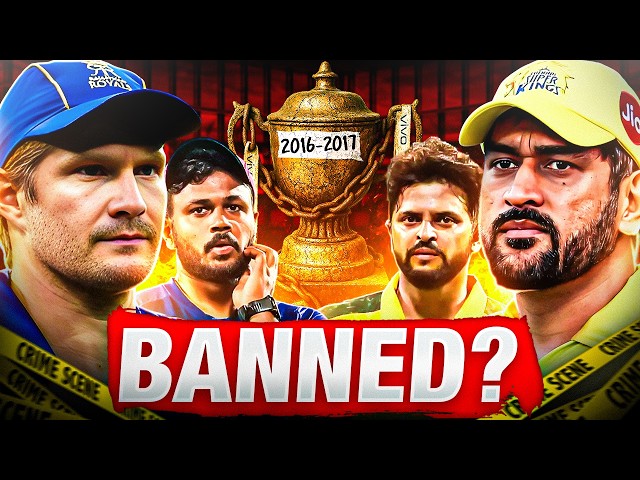
The 2013 IPL spot-fixing scandal was the most serious crisis in the competition’s history. Police investigations, arrests, court proceedings, and a Supreme Court-appointed committee examining the governance of Indian cricket — all of it followed from what appeared to be a relatively limited betting conspiracy that was discovered mid-tournament. When the dust settled, two franchises — Chennai Super Kings and Rajasthan Royals — were suspended from the IPL for two seasons (2016 and 2017). CSK returned in 2018. Their first match back, they won. Their first season back, they won the title.
The Scandal — What Actually Happened
In May 2013, during IPL 6, Mumbai Police arrested several cricketers for spot-fixing — specifically for deliberately bowling no-balls and wides in exchange for payments from bookmakers. The investigation expanded rapidly. Gurunath Meiyappan, a team official of Chennai Super Kings and son-in-law of BCCI President N. Srinivasan, was arrested for allegedly placing bets on IPL matches. Raj Kundra, co-owner of Rajasthan Royals, was also arrested on similar charges. The Supreme Court of India eventually appointed the Lodha Committee to investigate and recommend action. The committee concluded that both franchise principals had violated IPL regulations and that their franchises should be suspended.
The Two-Year Suspension and What It Meant
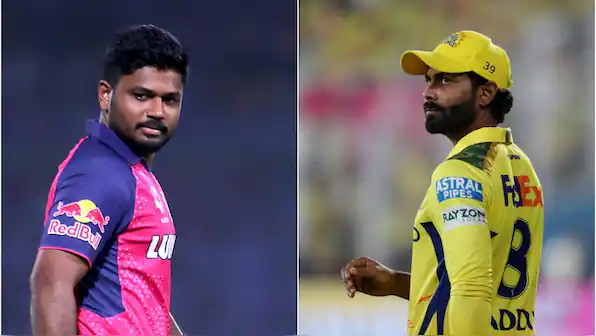
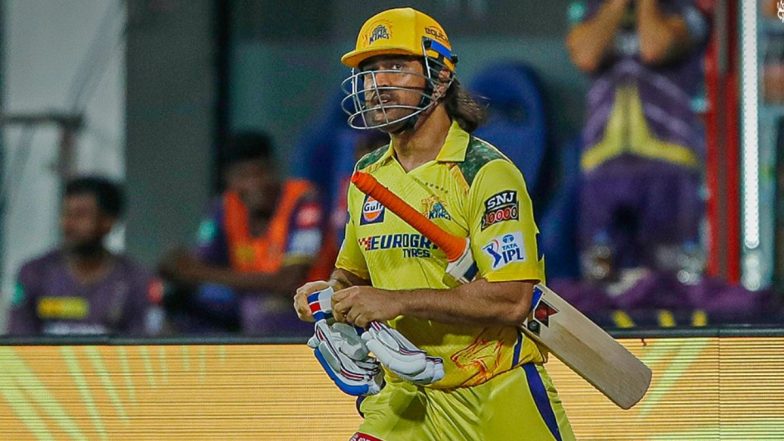
CSK and RR’s two-season absence from the IPL was replaced by two temporary franchises — Rising Pune Supergiant (for the CSK slot) and Gujarat Lions (for the RR slot). CSK’s players were dispersed to other franchises through a special auction. MS Dhoni played for Rising Pune Supergiant. Ravindra Jadeja played for another franchise. The CSK ecosystem — the yellow jersey, the Chepauk fortress, the Stephen Fleming coaching philosophy — went dark for two years. The suspension was significant not just for the franchises but for the competition: two of the four most successful IPL teams were absent from a competition that needed their drawing power and narrative contribution.
The Return — CSK Wins the Title in Their First Match Back
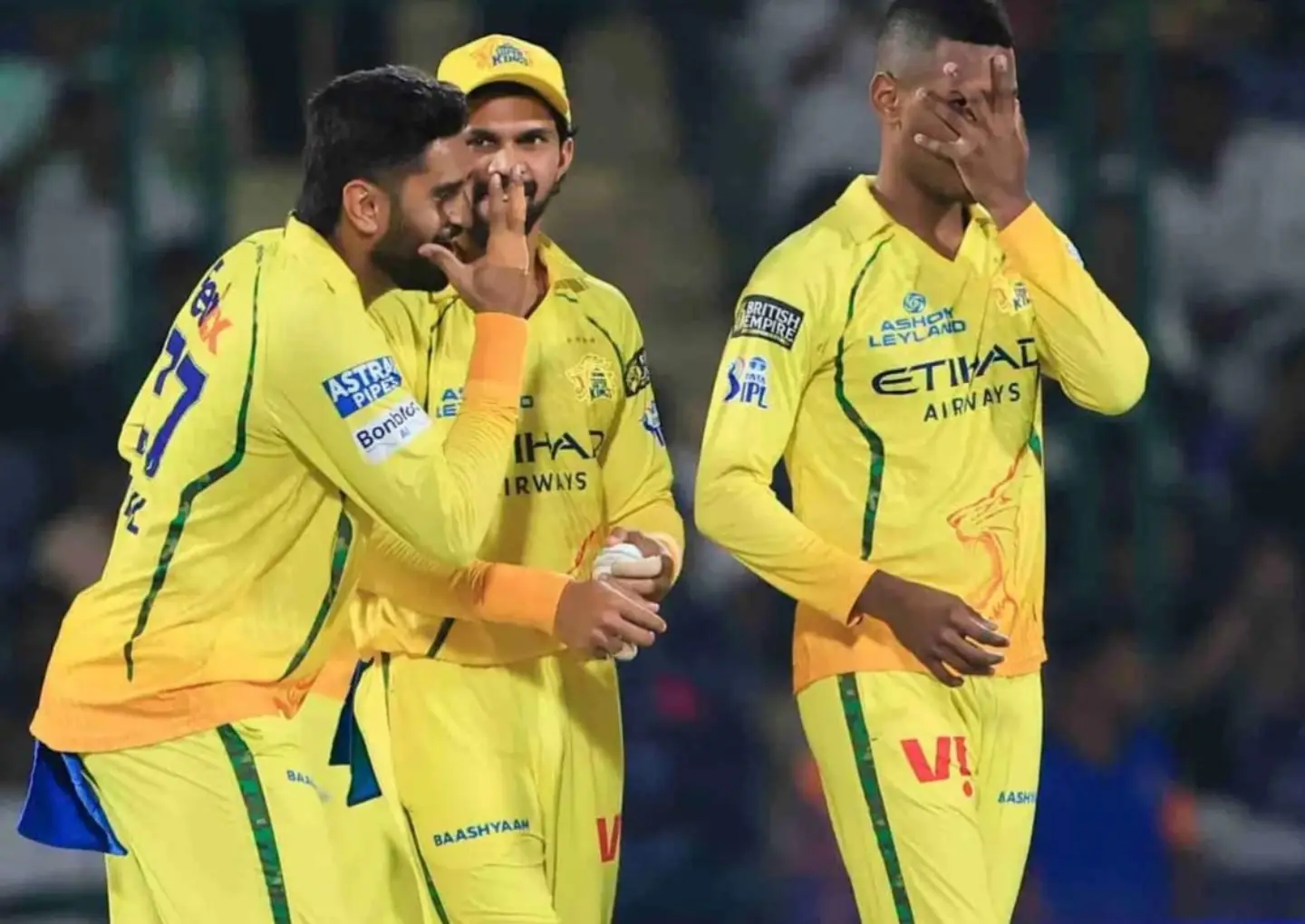
When CSK returned for IPL 2018, they won their first match back. By the end of the season, they had won the IPL title — their third. The speed of the redemption was striking: a franchise suspended for two years returned to competitive cricket and immediately won the championship. This was not accidental. The suspension period had been used by Fleming and Dhoni to plan the 2018 squad comprehensively. They knew exactly who they needed, what roles needed filling, and how to assemble the team. The 2018 CSK title win is simultaneously a cricket achievement and a statement about institutional resilience: you can suspend a franchise, but you cannot eliminate its culture.
DID YOU KNOW? CSK and RR were the 3rd and 4th most successful franchises in IPL history at the time of their suspension (2016). CSK returned in 2018 to win their third title. RR returned in 2018 and have since made one IPL final (2022). The two teams combined have won 6 IPL titles.
Final Verdict Two years suspended. Then one title in the first season back. CSK’s redemption from the IPL’s darkest chapter is cricket’s most complete institutional recovery story — proof that culture, properly built, outlasts even the most severe institutional punishment.