

Introduction
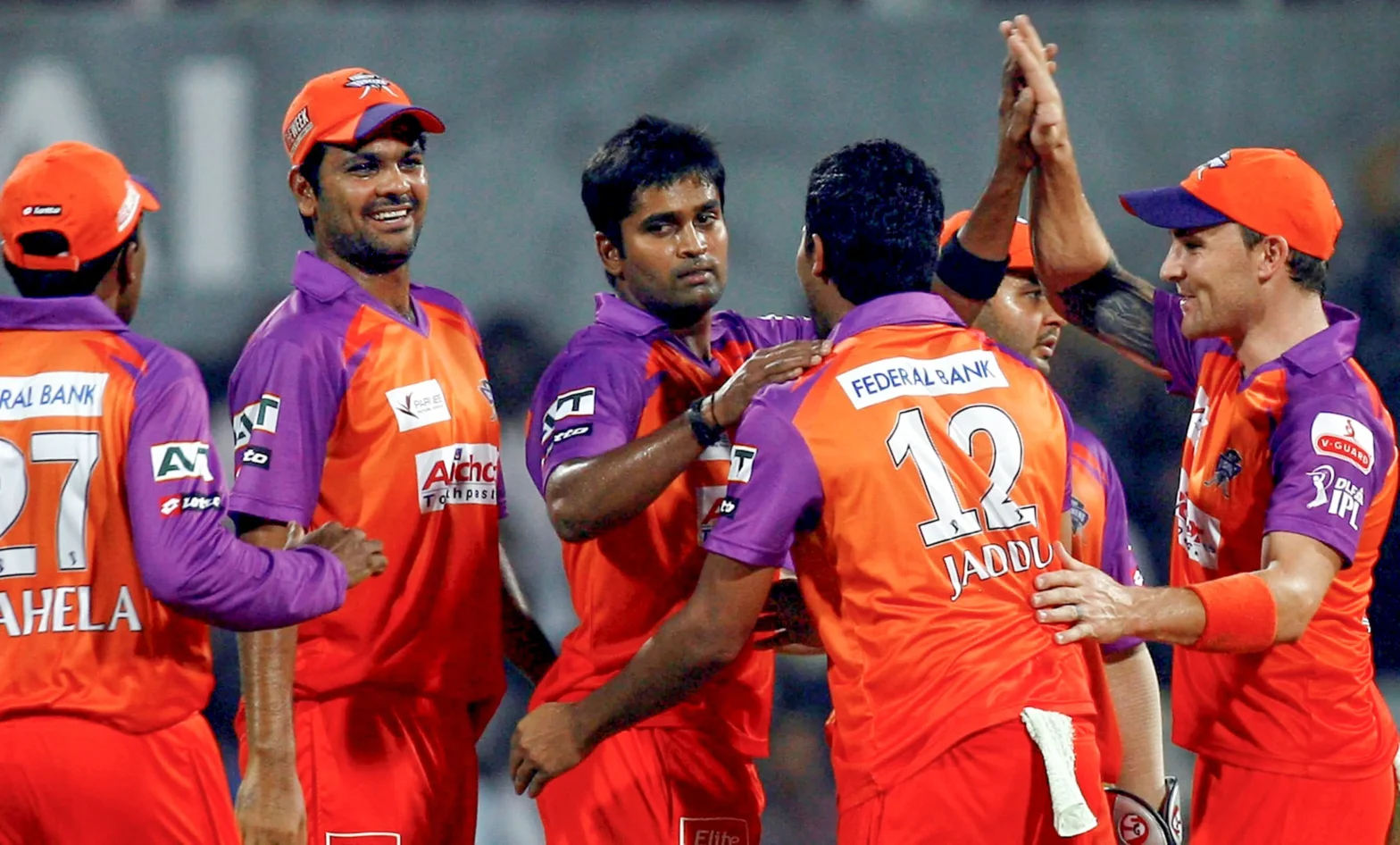
When BCCI terminated the Kochi Tuskers Kerala franchise before the 2012 season, it expected the matter to be resolved through standard contractual procedures. What it did not expect was a decade of legal proceedings that would eventually result in courts ordering the cricket board to pay ₹550 crore in compensation to the terminated franchise’s owners. The Kochi Tuskers legal saga is not just a cricket story — it is a case study in franchise agreements, termination rights, and what happens when the world’s most powerful cricket board miscalculates the strength of a contract it thought was weighted entirely in its favour.
The Dispute — What BCCI Argued and What the Courts Found
BCCI terminated Kochi Tuskers Kerala ahead of the 2012 season, citing the franchise’s failure to comply with certain contractual obligations. The franchise’s owners — the Rendezvous Sports World consortium — argued that BCCI’s termination was wrongful and that the board had acted in breach of its own commitments under the franchise agreement. Indian courts and arbitration tribunals reviewed the evidence across multiple proceedings. The consistent finding was that BCCI had not followed its own contractual procedures correctly before exercising the termination right. The compensation figure eventually reached ₹550 crore across principal and interest — a sum that reflected both the franchise’s original investment and the lost future value of the IPL rights.
What BCCI Did After the Rulings
BCCI appealed the rulings at multiple levels of the Indian judiciary. The legal battle stretched across more than a decade, with various appeals, stays, and partial payments making the eventual resolution complicated. The case became a reference point in Indian sports law for the limits of franchise termination powers — establishing that even the world’s wealthiest cricket board could not terminate a franchise contract without following due process precisely. The ₹550 crore liability, once settled, was ultimately absorbed by the BCCI’s substantial media rights income — a liability that would have been catastrophic for a smaller sports body but was manageable for an organisation generating billions annually.
The Lesson — What Franchise Cricket Learned from Kochi
The Kochi Tuskers case reshaped how IPL franchise agreements were written and interpreted. Subsequent agreements were more precisely worded on termination rights, notice requirements, cure periods, and the specific conditions under which BCCI could exercise franchise termination without triggering compensation claims. The lesson was expensive but important: franchise cricket’s economic model requires legal precision. When teams are worth hundreds of crore, the contracts that govern their existence must be as carefully constructed as the cricket strategies that attempt to win titles. Kochi Tuskers played 14 IPL matches and generated a legal precedent that has shaped the competition’s governance for a decade since.
DID YOU KNOW? The Kochi Tuskers franchise paid approximately ₹1,533 crore for their IPL rights in 2010. After playing one season and being terminated, the owners spent a decade in legal proceedings before eventually recovering ₹550 crore — roughly one-third of their original investment.
Final Verdict Kochi Tuskers Kerala: 14 matches, 6 wins, 0 playoff appearances, ₹550 crore legal settlement. The franchise that barely happened became the IPL’s most consequential governance case — and the reason franchise agreements are written differently today.