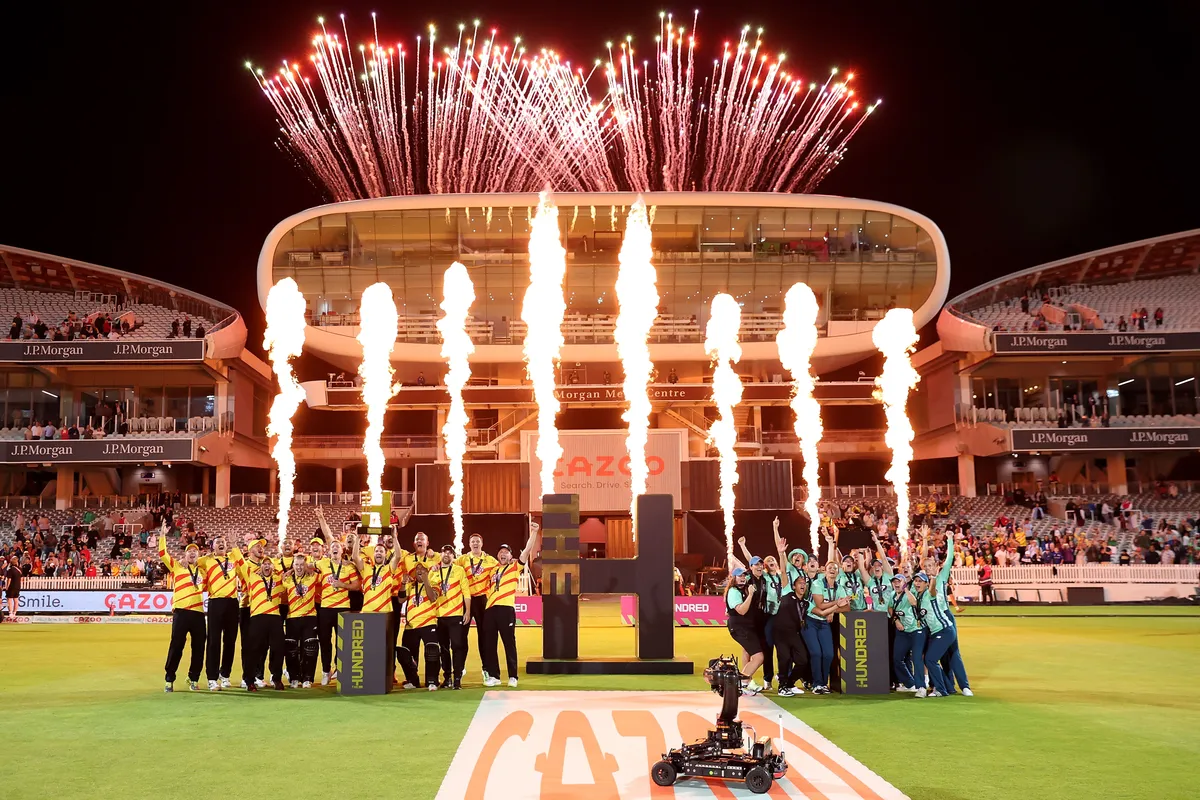


Every English cricket competition has a defining fixture. For The Hundred, it’s never been in doubt: Finals Day, at Lord’s, on the tournament’s final Sunday. In 2026, that’s 16 August — the day both the men’s and women’s champions will be decided, at the one ground that’s hosted this exact occasion in every season since the competition began.
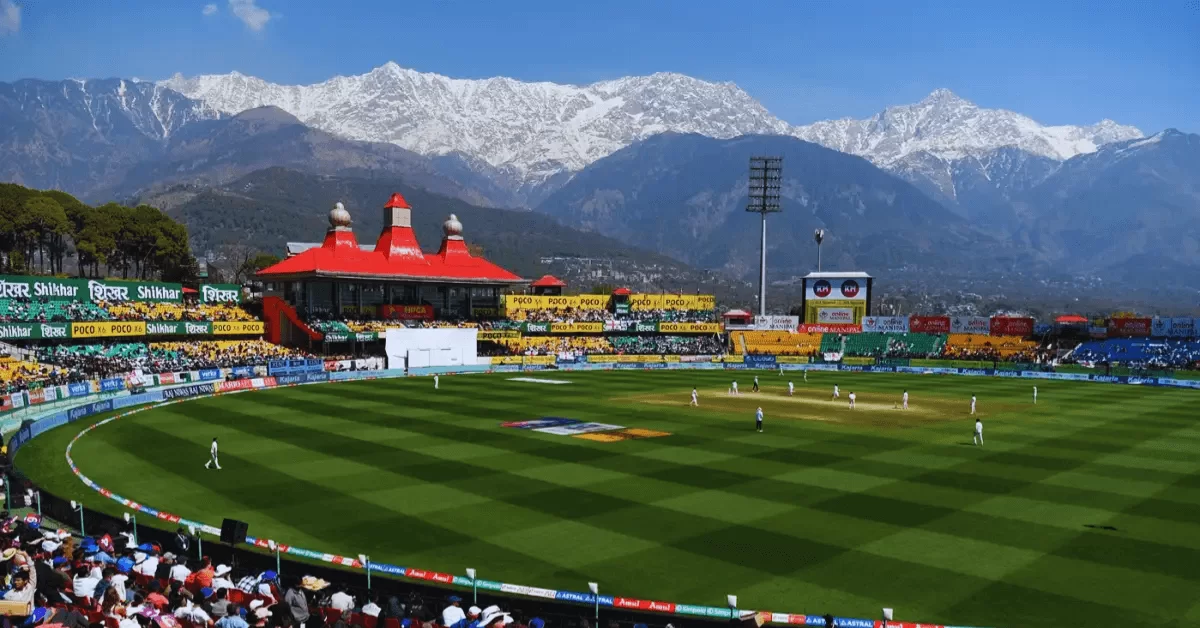
Why Lord’s, Every Year
Unlike most franchise leagues, where the final rotates between venues or goes to whichever team finishes top of the table, The Hundred has fixed Finals Day at Lord’s as a permanent feature of the format. It’s a deliberate piece of tournament design — guaranteeing that regardless of which two teams make it through, the season’s biggest day plays out at the sport’s most recognised ground in England. London Spirit, as the home franchise, plays every one of its own home fixtures there across the season, but Finals Day belongs to whichever teams have earned it, not to the host club.
How the Day Is Structured
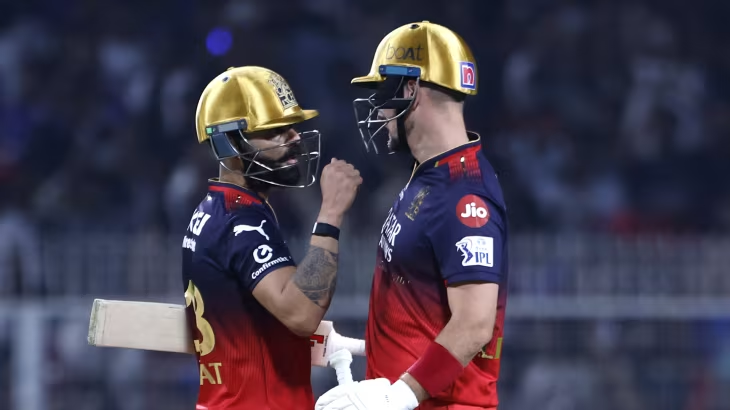
Finals Day follows the same double-header pattern used throughout the tournament — a women’s final followed by the men’s final, both at the same venue on the same day, giving fans in the ground and watching on television back-to-back title deciders rather than two separate events on different weekends.
Getting there requires clearing the group stage and the knockout round first. The 2026 group stage runs from 21 July to 12 August across all eight venues, with the top sides advancing to an Eliminator on 14 August — a new addition for 2026 is a reserve day attached to that fixture specifically, after both the 2023 women’s and 2025 men’s Eliminators were affected by no-results. The winner of the Eliminator joins the top-placed group-stage team in the Grand Final two days later.
The Tight Turnaround That Follows
Finals Day doesn’t mark the end of English cricket’s summer workload — it marks the start of the next chapter. England’s men begin a three-Test series against Pakistan at Headingley just two and a half days after the 2026 final, an almost identical turnaround to 2025, when the Hundred final was played only a day before an ODI against South Africa. It’s a scheduling reality that puts real pressure on player management for any England international appearing in both competitions, and it’s part of why the ECB has continued to ring-fence a dedicated Hundred window rather than letting the tournament’s dates drift.
What’s Different About the Road to Lord’s in 2026
Every previous Finals Day was reached by squads built through a draft. 2026 is the first time the teams arriving at Lord’s will have been assembled through competitive, IPL-style bidding — meaning the squads chasing the title this August were chosen, player by player, by ownership groups with real commercial incentive to win. Four of the eight franchises are now run by groups with existing IPL ownership experience, and for at least some of them, reaching Finals Day in year one of full private ownership would be a significant early return on the money spent in March’s auction.
Add the higher overseas quota — four players per XI instead of three — and this year’s Finals Day squads are likely to look meaningfully different in composition from anything the format has produced before, with more room for overseas match-winners to shape the outcome.
What to Watch For
- Which of the four IPL-linked franchises — MI London, Sunrisers Leeds, Manchester Super Giants or Southern Brave — reaches Lord’s first under their new ownership and rebrand
- Whether the reserve day for the Eliminator gets used, and what that does to squad rotation and travel in the 48 hours before the final
- How England’s Test-bound players are managed across the final week, given the near-immediate turnaround into the Pakistan series
- Whether the auction-era squads produce a genuinely different style of final — more overseas firepower, different tactical patterns — compared to the draft-built finals of 2021 through 2025
Whatever else changes about The Hundred’s ownership, structure and player pool, Lord’s staying fixed as the home of Finals Day is one constant the tournament has never touched. On 16 August 2026, it does the job it’s done every year since the format began: settling, in one afternoon and evening at the same ground, both of the competition’s champions.